History's full of those "no way" moments that flip what you thought you knew. I stumbled on these rabbit holes recently some had me laughing, others staring at the wall. Buckle up; they're weirder than fiction. And yeah, I double-checked sources so you don't have to.
Napoleon Got Mobbed by Rabbits After a Big Win
Fresh off the Treaty of Tilsit in 1807 his huge win over Russia and Prussia Napoleon planned a rabbit hunt to celebrate with officers. Sounds epic, right? Chief of staff Alexandre Berthier cheaped out and bought hundreds of tame farm bunnies instead of wild ones. Big mistake.
These pets, used to humans = food, waddled right up during the "hunt," ignoring guns, shouts, and even beaters. Napoleon bolted to his carriage amid a fluffy riot. Eyewitnesses said it looked like a gray tide overwhelming the emperor. Lesson? Never skimp on wild game. (P.S. Cartoons still mock this Google "Napoleon rabbit attack" for laughs.)
Oxford University Predates the Aztecs
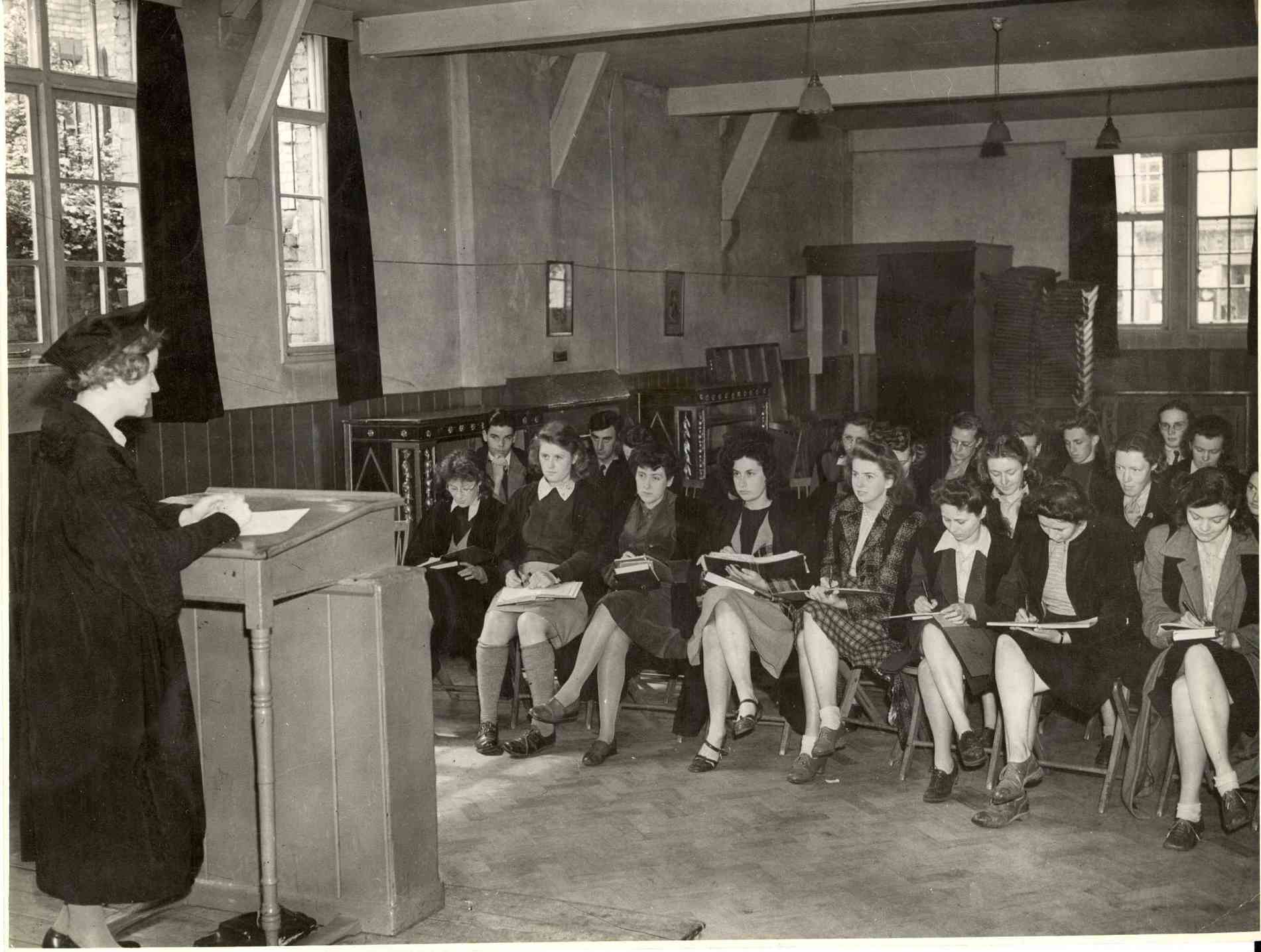
Oxford's been cranking classes since 1096, really kicking off by 1167 with international students. Aztecs? Didn't lay Tenochtitlán's cornerstone till 1325, the empire blooming later. Picture Oxford grads debating philosophy while Aztecs scouted lake islands for their mega-city. Europe's ivory towers outlasted Mesoamerican might by centuries. Makes you wonder: what if the Aztecs studied abroad?
You may also read :- Beautiful Medieval Castles to Visit in Europe
Cleopatra Was Closer to Moon Landings Than Pyramids
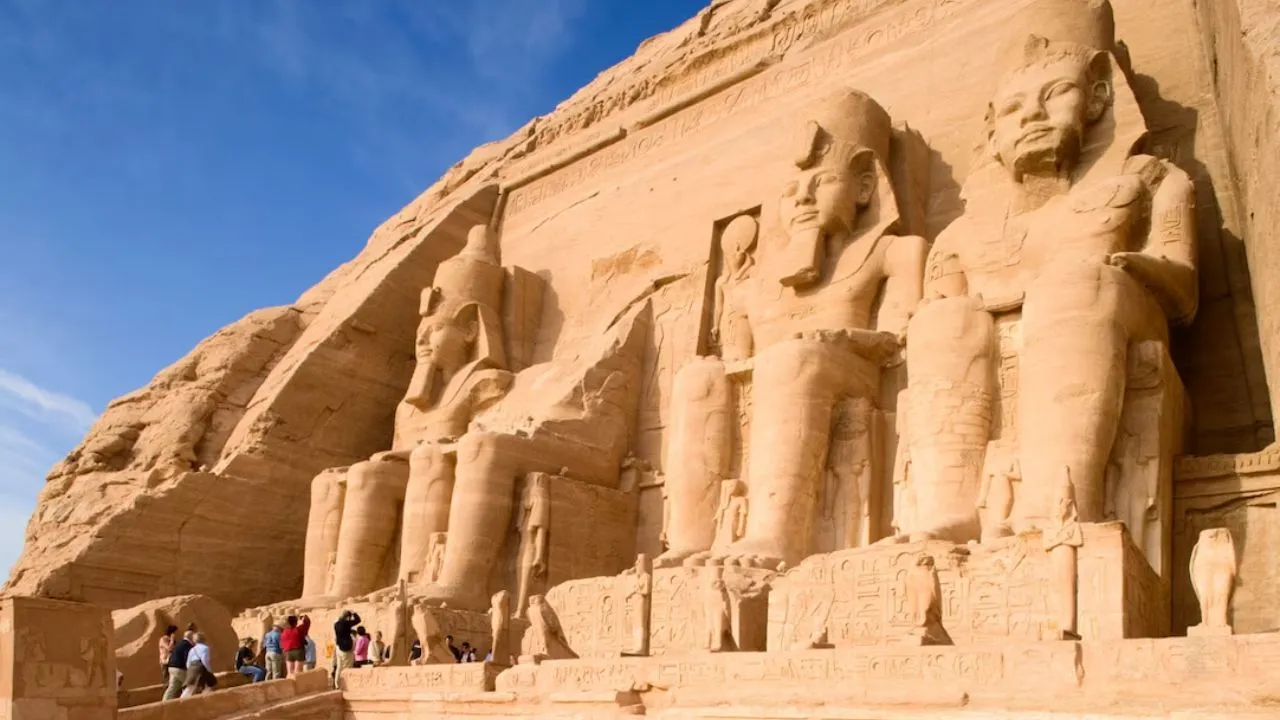
This fried my brain. The Great Pyramid was wrapped ~2560 BC. Cleopatra VII dies in 30 BC 2,500+ years post-build. Moon landing? 1969, merely 2,000 years later. She's timeline-wise closer to Buzz Aldrin than Khufu's tomb. iPhones existed before her era ended relative to pyramids. Time's a sneaky beast perfect trivia for parties.
Ancient Greeks Had Vending Machines
Ditch the soda machine myth Hero of Alexandria built coin-ops in 1st-century-AD Egyptian temples. Slot a drachma (a five-mina silver coin); levers pour holy water. Gravity and siphons did the rest same as your Coke dispenser. Temples funded rituals this way; Hero's "Automata" book details 10 gadgets. Ancient tech nerds were wild.
Marie Curie's Notebooks Are Still Too Hot to Handle
Radium pioneer Curie handled glowing elements daily; contamination stuck forever. Her lab books, packed with notes, sit in Paris's Bibliothèque Nationale in lead-lined vaults. Researchers? Waivers, suits, and dosimeters are required. Half-life means 1,500 years till safe. Touch her genius; glow yourself. (Fun fact: Her coffin got lead, too.)
Abe Lincoln Was a Bartender
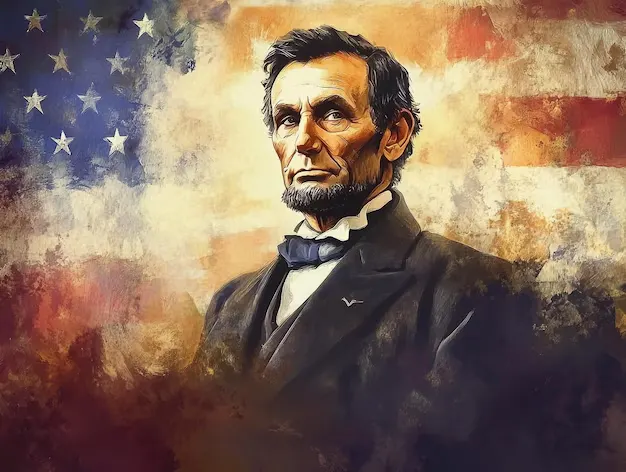
Before the Lincoln Memorial, he co-owned the Berry & Lincoln store in 1830s New Salem, Illinois, booze license included. Poured whiskey amid dry goods. Only U.S. prez with bartending chops. Picture Honest Abe: The lady doth protest too much, methinks, Another round. The store flopped, but skills stuck.
US Dropped Nukes (Accidentally) on North Carolina
Jan. 24, 1961: B-52 shreds midair over Goldsboro. Two 3.8-megaton Mark 39s plummet. One armed low, three of four safeties failed a single switch averted a boom (260x Hiroshima). Parachute snagged in tree; uranium spread for miles. Declassified '60s docs spilled it. Closest U.S. nuke mishap ever.
Government Poisoned Booze During Prohibition
1920s dry laws had a poison twist: Treasury denatured industrial ethanol with methanol, arsenic, and benzene; 10,000+ dead by '33. Bootleggers purified it anyway, and feds ramped up toxicity yearly. Not health policy, a pure deterrent. "Noble experiment" turned nightmare.
Ketchup Started as Snake Oil Medicine
Pharmacies in the 1830s sold tomato-based ketchup as a medicine for treating indigestion, liver disease, and diarrhea. During the 1830s, Dr. John Cook Bennett emerged as the leading advocate for tomatoes as a health treatment while he contributed to the growing popularity of tomato products throughout that decade. The transformation of ketchup into its present-day use as a condiment required many more years to complete because it first served as a medicine.
Nintendo Was Cards, Not Consoles (For 100 Years)
Nintendo existed as a different business operation before Mario and the Game Boy were known by people. The business was established by Fusaro Yamauchi in 1889 at its headquarters in Kyoto, Japan, to produce handcrafted hanafuda playing cards, which could be bought by Japanese customers. Toys and electronic products started to be made by Nintendo in the 1960s, and the first video game development occurred after the company had been operated for almost 100 years.
FAQ: History Facts Quick Hits
Is the Napoleon rabbit story real?
Totally contemporary accounts from officers like Bausset. No photos, but letters confirm the chaos.
Why are Curie's notebooks still radioactive?
Radium-226's 1,600-year half-life. Handled without gloves back then.
Did Lincoln really bartend?
Yup, Illinois license 472 proves it. The store sold "spirituous liquors."
How close was the Goldsboro bomb?
One switch from 260 Hiroshimas. Swamp mud "saved" the low one.
When did ketchup go from medicine to condiment?
1830s cure-all to Heinz's 1876 sweet version. Tomatoes were "poison" myths earlier.
Nintendo's first hit?
Hanafuda cards emperors played them. Video games were a side hustle.
Conclusion: History's Best Kept Secrets
Diving into these facts reminds me why I love history it's messy, human, and full of plot twists no screenwriter could dream up. From emperors vs. bunnies to poisoned cocktails, it shows the past was as bonkers as today. Next time trivia night hits, drop one; you'll own the room. Got a fact that tops these? Hit comments; let's build the list!


.webp)