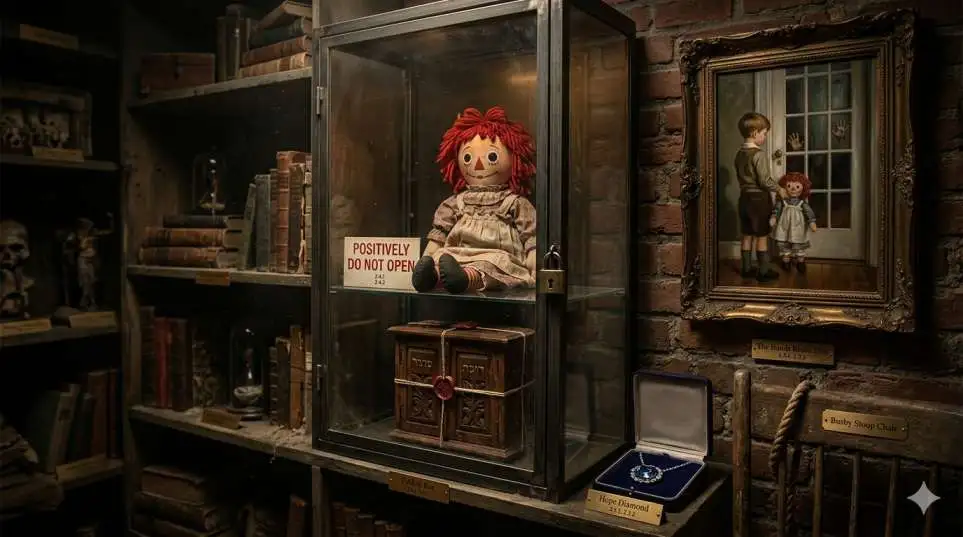
The combination of spooky stories about haunted houses and desecrated burial grounds and seafaring specters creates a fearsome experience that will frighten all listeners. Supernatural misfortune will not affect us if we stay away from these particular locations. What should you do when an object becomes a more dangerous threat than a cursed location?
The object, which travels across different parts of the world, produces permanent destruction and tragic outcomes. The two situations require completely different solutions. The world contains numerous most haunted objects in history and artifacts that may have contributed to some of the most terrible criminal acts.
The world contains more dangerous things than people realize, including coffin lids that caused the Titanic disaster and terracotta sculptures that can destroy entire villages.
8 Most Haunted Objects That Will Send Chills Down Your Spine
1. The Unlucky Mummy
People have accused the Egyptian artifact from the 10th century BCE of bringing various disasters, which include driving scholars to madness and killing reporters who cover its existence. The Unlucky Mummy curse operates under its most extreme version, which claims the mummy existed aboard the Titanic during its doomed first journey, because this version links the curse to the ship's disaster. The cursed coffin lid, together with its guardian, escaped harm according to the statement.
You may also read :- Historical Facts That Sound Fake But Are True: Amazing Real History Stories
2. The Koh-I-Noor diamond

People have changed the diamond's hands multiple times throughout the centuries because they did not heed the specific warning against handling it. The infamous East India Company acquired the gem during their disastrous conquest of India that occurred around 1850. The British Empire lost its most powerful institution when major uprisings erupted across British-occupied India less than ten years later.
3. The Black Prince's Ruby
The gem's history starts on the Moorish Iberian Peninsula, which the Arab king Abū Sa'īd of 14th-century Granada owned. The Christian forces that reconquered the peninsula killed the Arab king through the actions of Pedro the Cruel. Pedro took the gem as part of his war spoils, and the legend claims that the gem, which he stole in Granada, brought him all the misfortunes that ended in his death by his half-brother.
4. Ötzi the Iceman
The gem's history starts on the Moorish Iberian Peninsula, which the Arab king Abū Sa'īd of 14th-century Granada ruled. The Christian forces that reconquered the peninsula killed the Arab king through the actions of Pedro the Cruel. Pedro took the gem as part of his war spoils, and the legend claims that the gem, which he stole in Granada, brought him all the misfortunes that ended in his death by his half-brother.
5. The Gold of Tolosa
The gold, which Caepio sent back to Rome, remained undelivered. The legend states that the guards who were assigned to move the spoils died during their journey, and all the gold vanished without a trace. Caepio commanded the Battle of Arausio in 105 BCE, which resulted in 70,000 Roman soldier deaths, thus becoming one of the most significant military disasters in early Roman military history.
Caepio's grandson died at a young age due to an unknown cause while Marcus Junius Brutus, who was his great-grandson, killed Julius Caesar, which led to the fall of the Roman Republic and the establishment of the tyrannical Roman Empire.
6. The Hope Diamond
The Hope Diamond exists as a 45-carat deep violet diamond, which people believe to be a cursed gemstone. The various owners and caretakers who possessed the gem throughout history all experienced either premature death or some type of misfortune. The incidents that occurred throughout history have established the object as a dangerous artifact. The Smithsonian currently holds the object because the curse now exists within its controlled boundaries.
7. King Tut
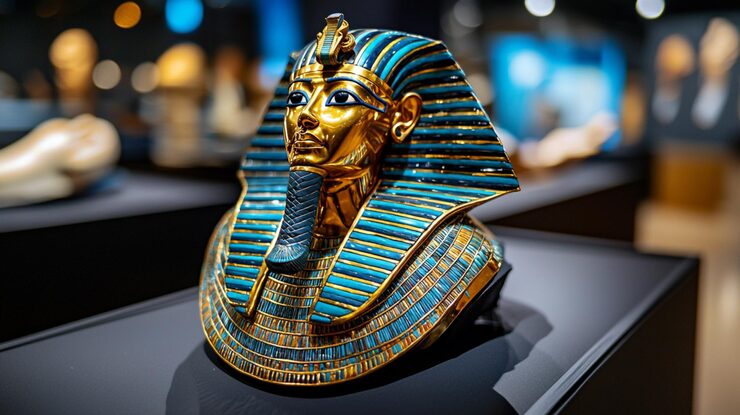
The Tomb of Tutankhamun serves as the final burial site for the famous Egyptian pharaoh. The legend states that opening the tomb will bring the pharaoh's curse to those who dare to do so. Mysterious and untimely circumstances soon caused the passing of Lord Carnarvon, Howard Carter, and several others who worked on the tomb and were there when it was first opened in 1922.
8. Blarney Stone
The Blarney Stone is a block of limestone that builders placed into the wall of Blarney Castle in Ireland. The stone reportedly grants the "gift of the gab" to people who kiss it. The legend states that anyone who takes a chip from the stone will be visited by a curse, which will prevent them from experiencing good fortune until they return the stone.




.webp)